Reimagining Cadastral:
From Start to Exit
View resume
Hi, I’m Nadezhda.
Designing products
from concept to launch.
Curious by nature.
Hover to pause
Reimagining Cadastral:
From Start to Exit
View resume
Hi, I’m Nadezhda.
Designing products
from concept to launch.
Curious by nature.
Hover to pause
Nadezhda Boyanova is a Product Designer based in Sofia, Bulgaria, with over nine years of experience across product design, design systems, and brand identity. She currently works as a Product Designer at Figura, where she blends design leadership with product management - building component libraries, shaping design system taxonomies, and driving close collaboration between designers, engineers, and stakeholders. Alongside this, she has run an independent design practice since 2017, helping small businesses and startups navigate everything from web design to full brand identity, typography, and print assets.
For her, good design starts with product thinking - understanding the problem before reaching for a solution. Lately, that's meant finding ways AI can make design workflows faster and smarter. She's always chasing something new to learn. When she's not working, you'll find her baking, out in nature, or sketching with Sade playing in the background.
It started at 16, not as a career move but as something she couldn't stop doing. Over the years, that early curiosity kept pulling her further: past the visuals, into the why behind them, and eventually into a real desire to solve problems for the people on the other end of the screen. That shift - from making things look right to making things work right - is what eventually led her into product design.
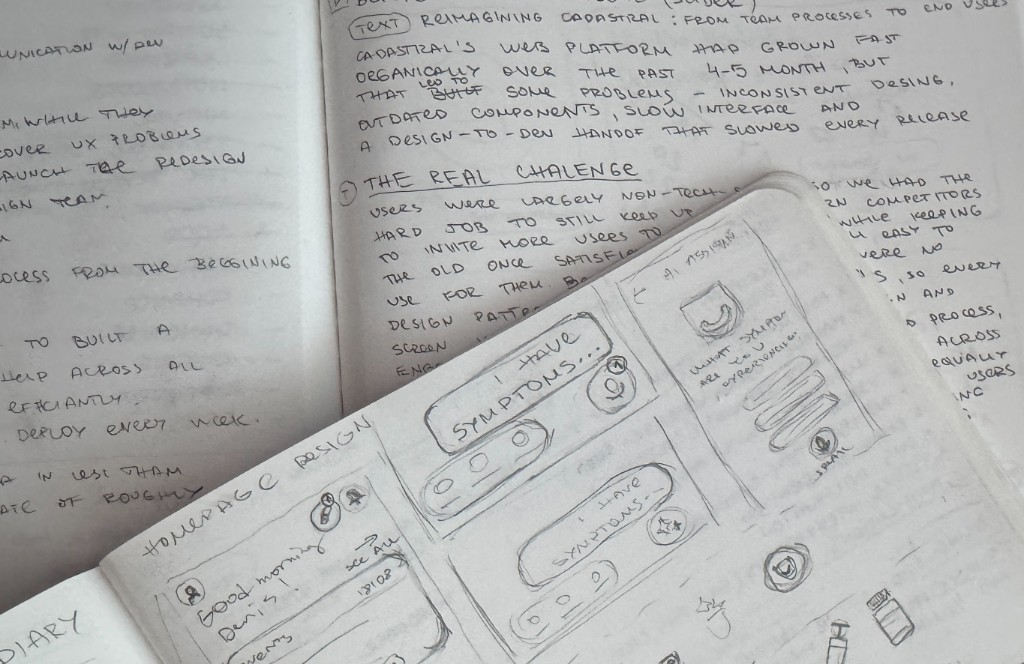
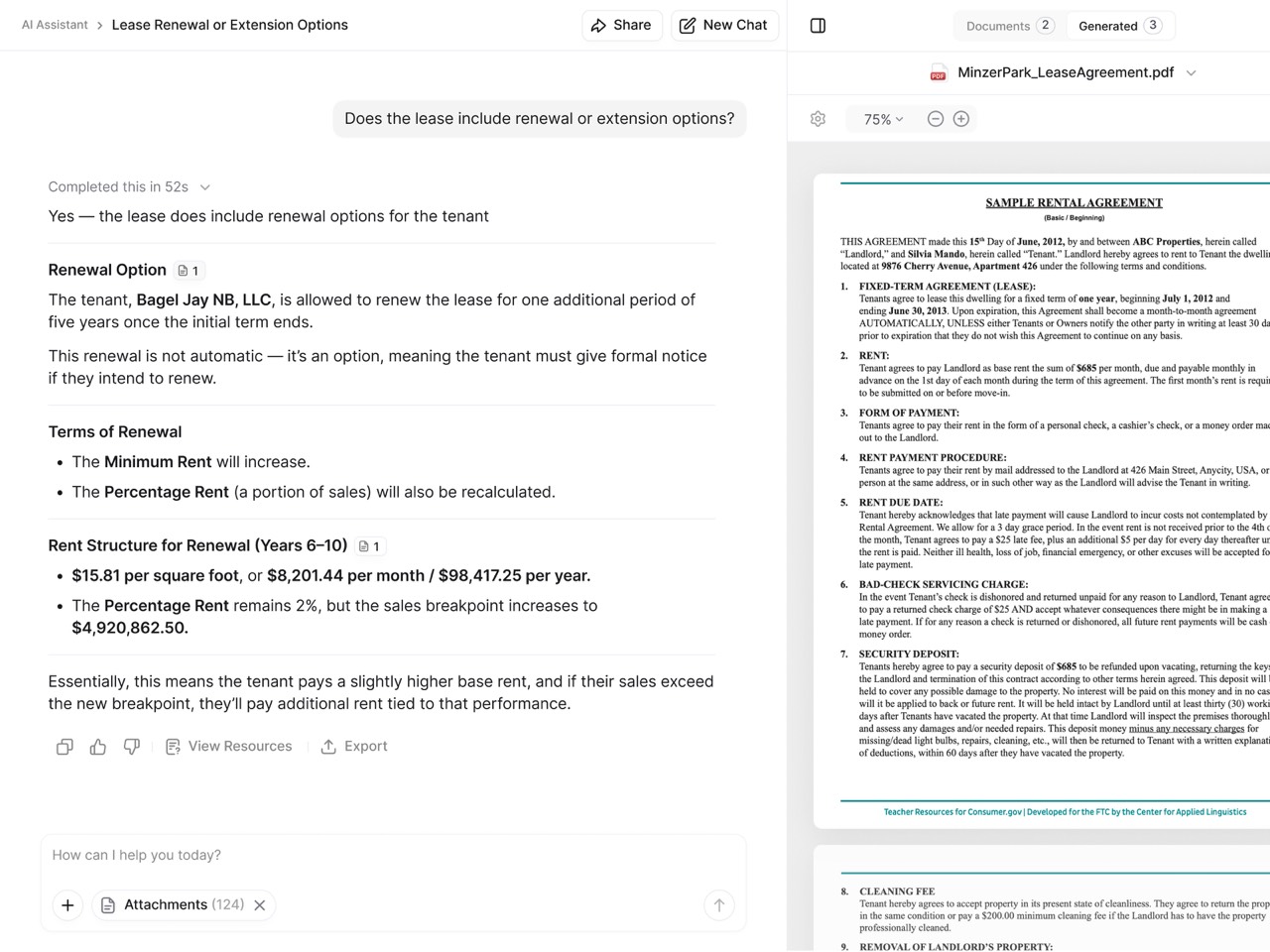
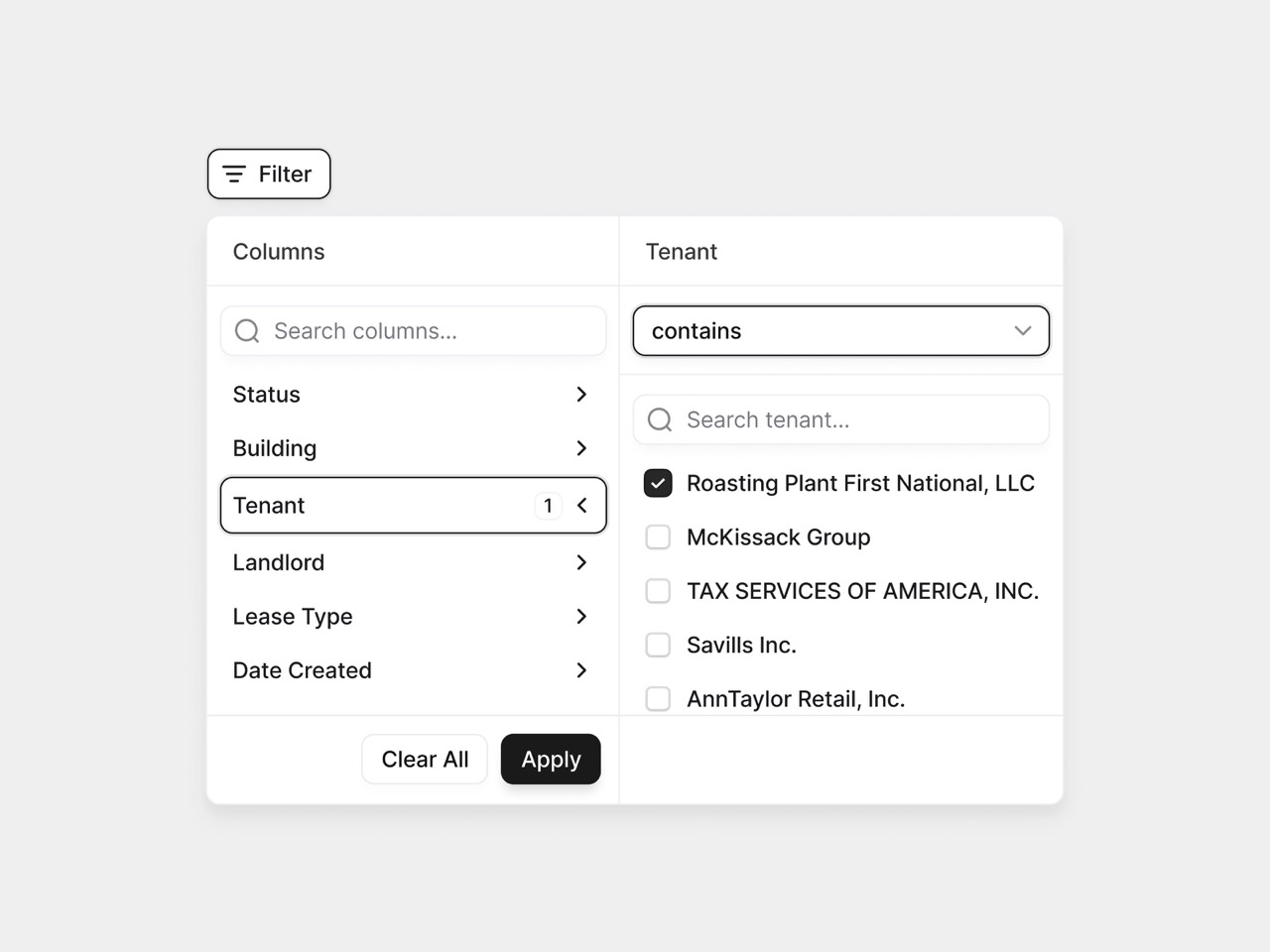
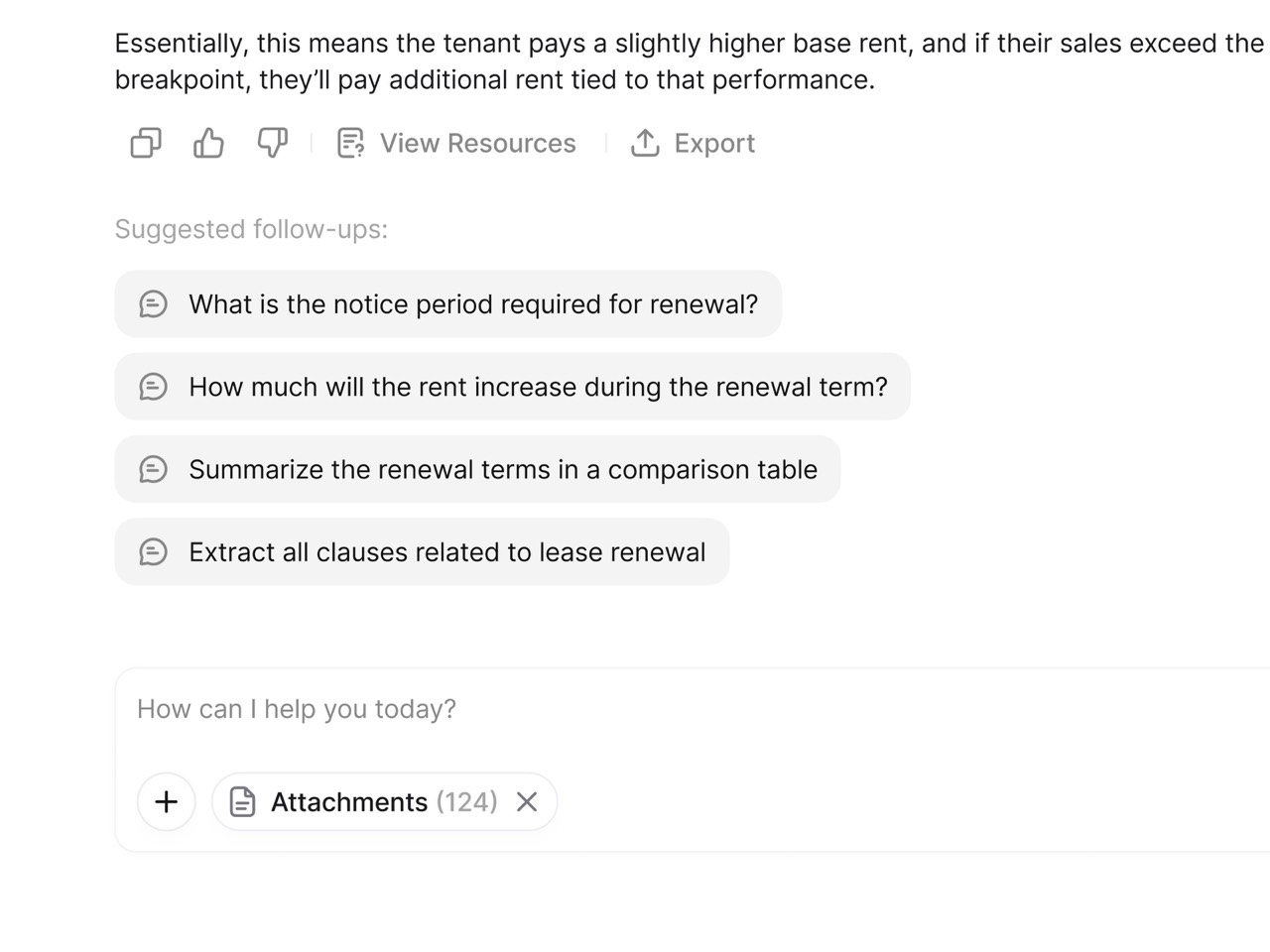
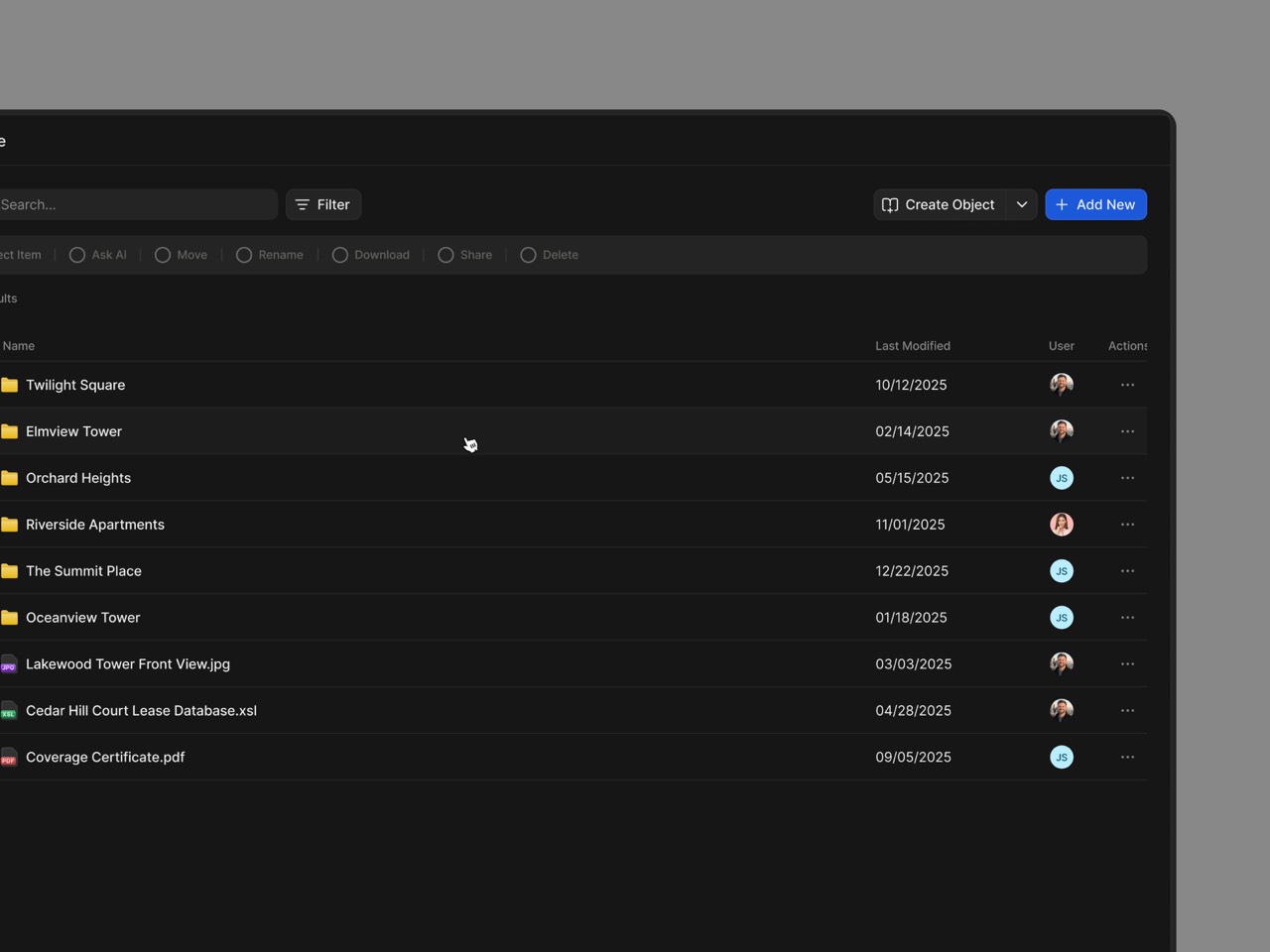
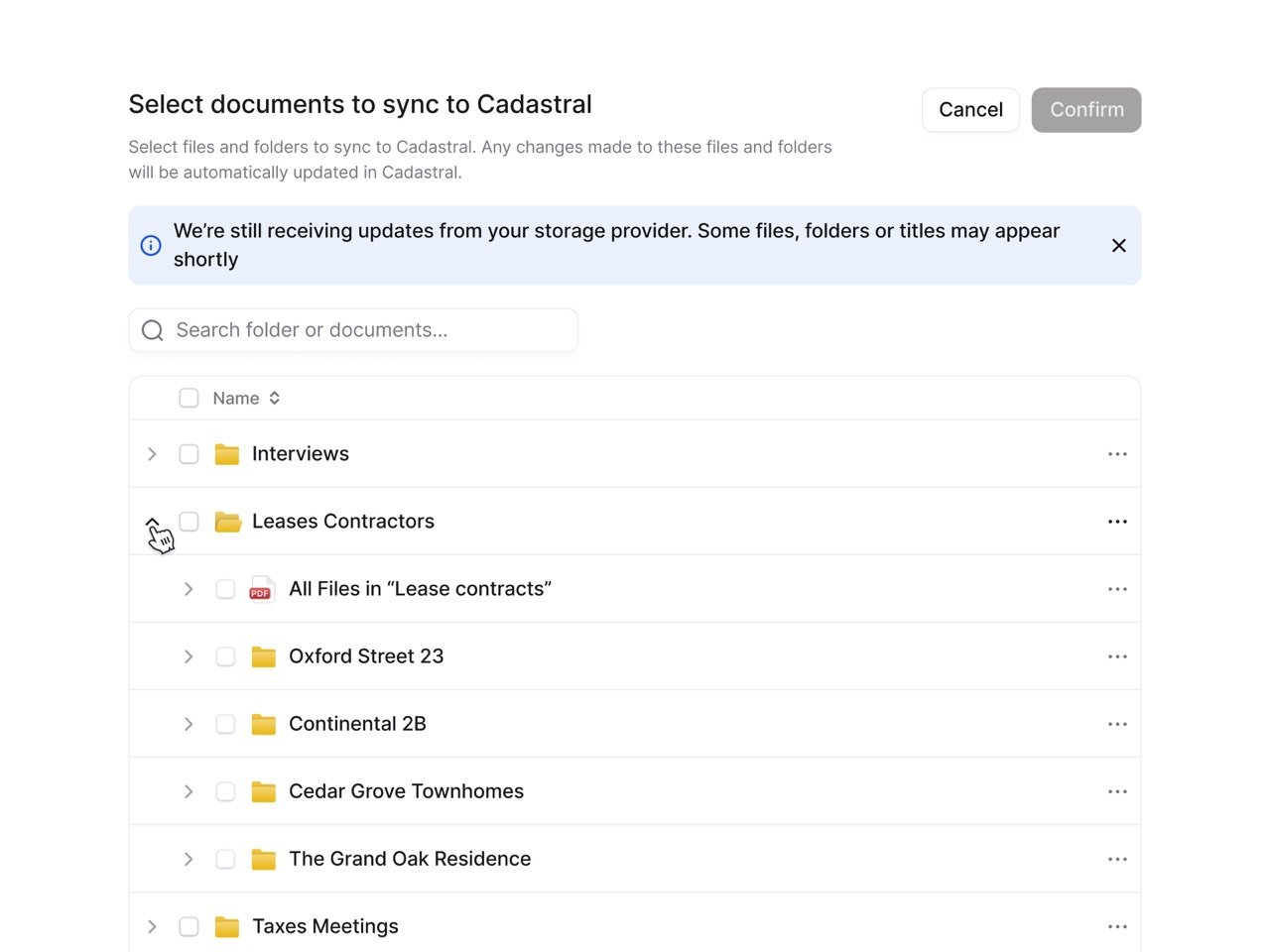
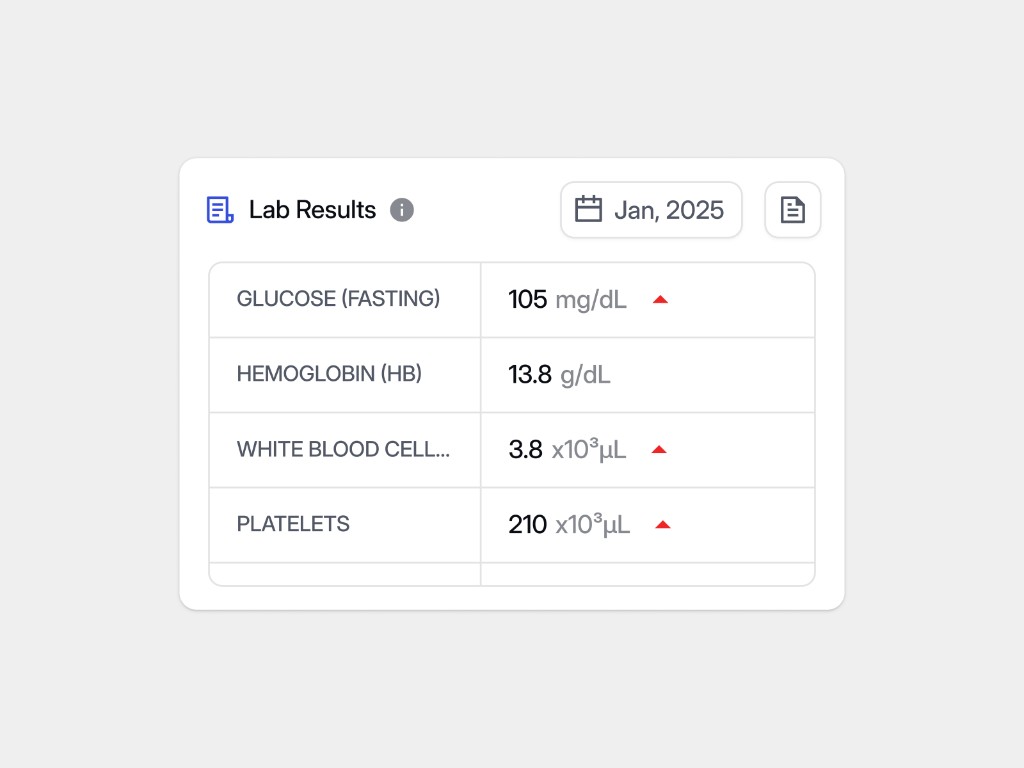
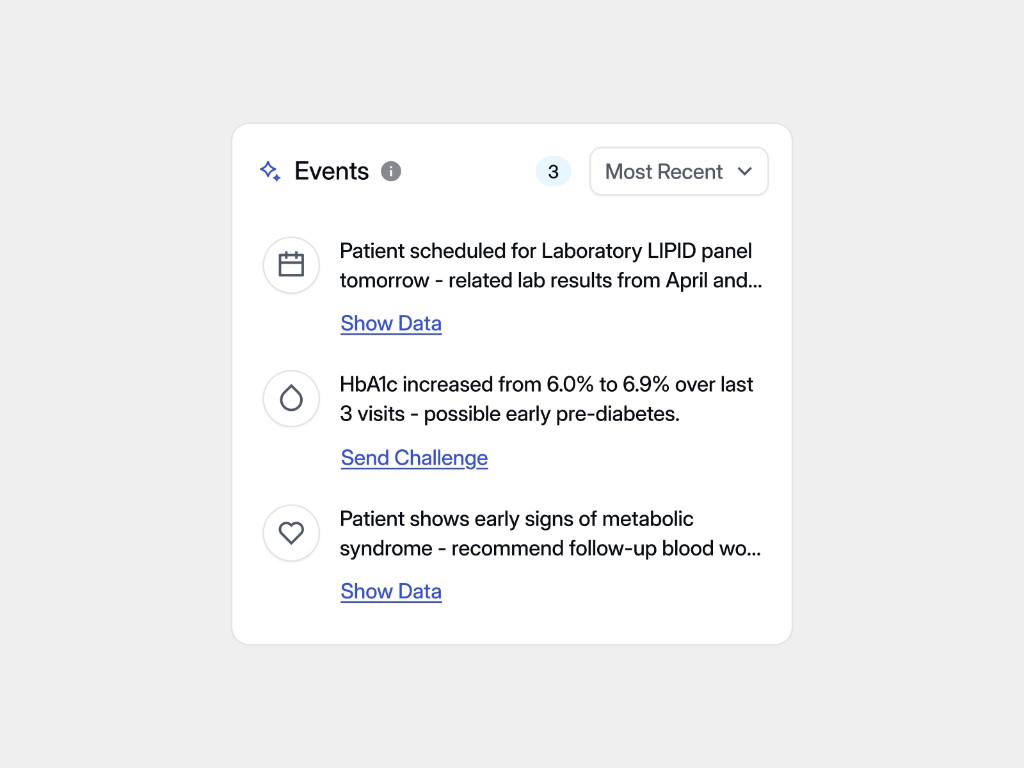
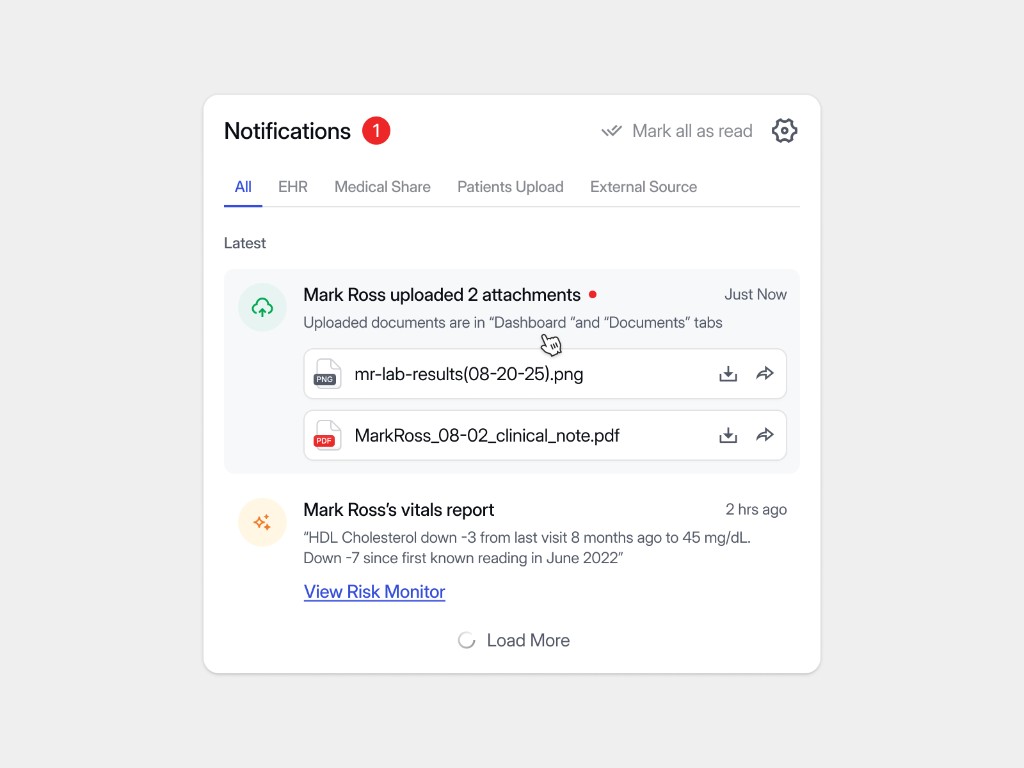
Cadastral’s web platform grew rapidly and organically over the past 4–5 months. While this growth was exciting, it also introduced several challenges: an inconsistent design, outdated components, a slow interface, and a fragmented design-to-development handoff that slowed down every release.
The real challenge was balancing the needs of a largely non-technical user base with the expectations set by modern competitors.
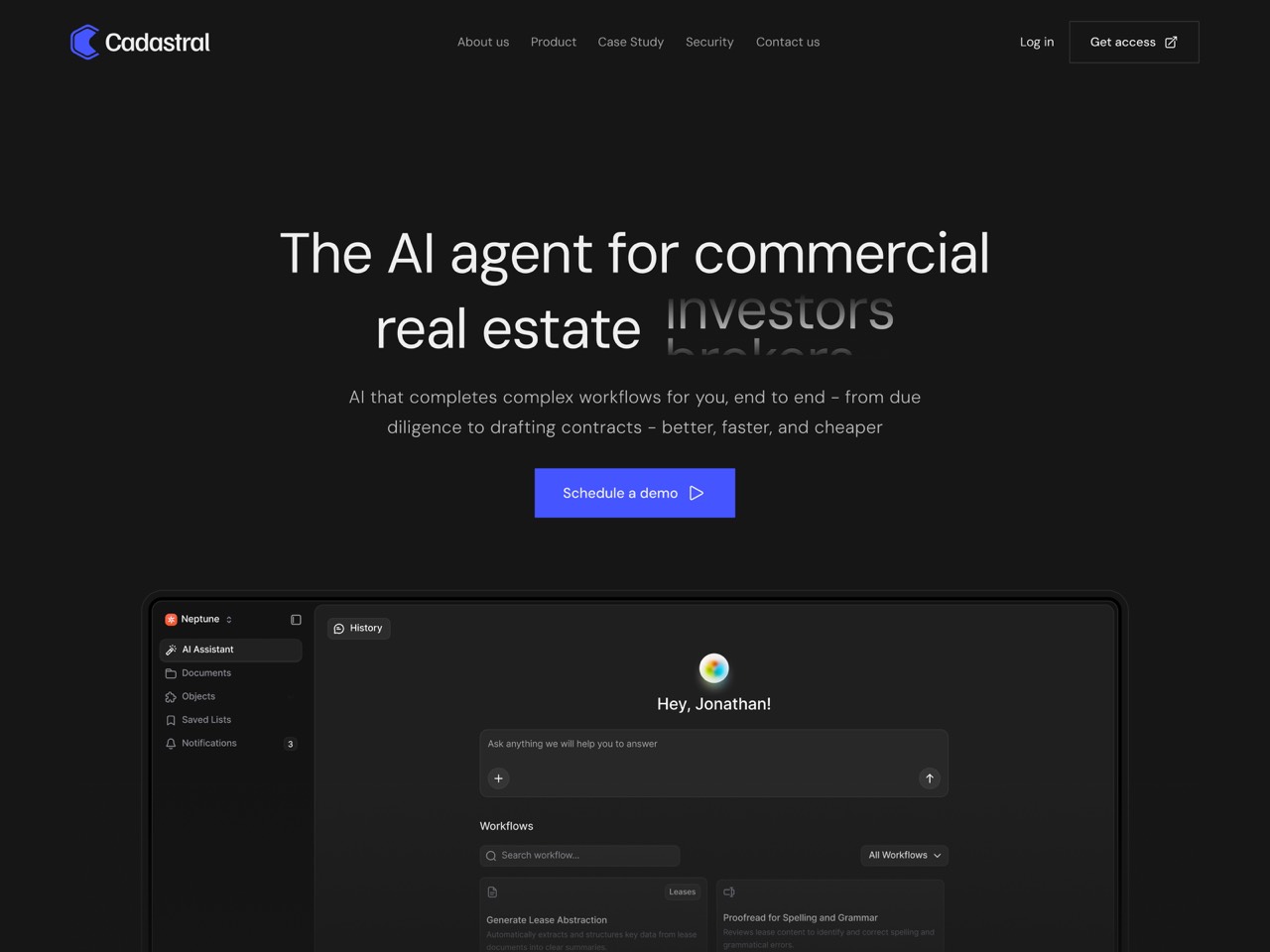
We needed to evolve the platform to attract new users while keeping existing ones satisfied, ensuring the experience remained familiar, intuitive, and easy to use.
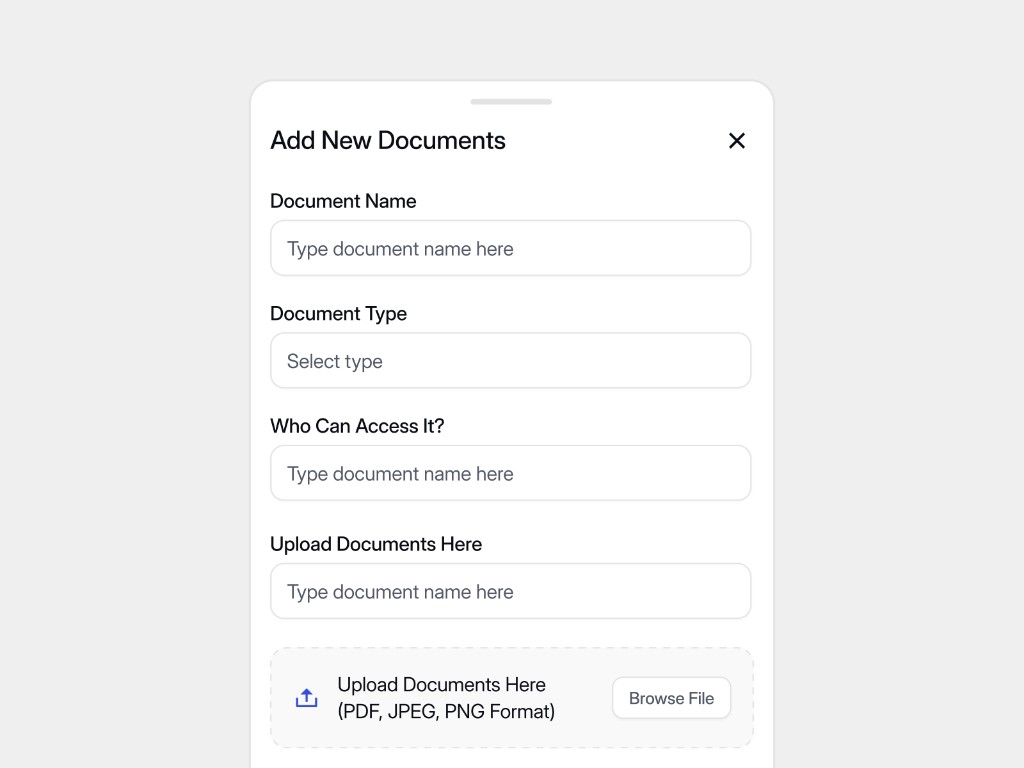
Behind the scenes, there were no established design patterns or reusable components, meaning every screen was built from scratch. Design and engineering also lacked a shared process, slowing releases and creating inconsistencies across the product. The marketing website was equally outdated, weakening first impressions before users even entered the platform. And with no tracking or meaningful user data in place, the team was often making decisions based on intuition rather than evidence.
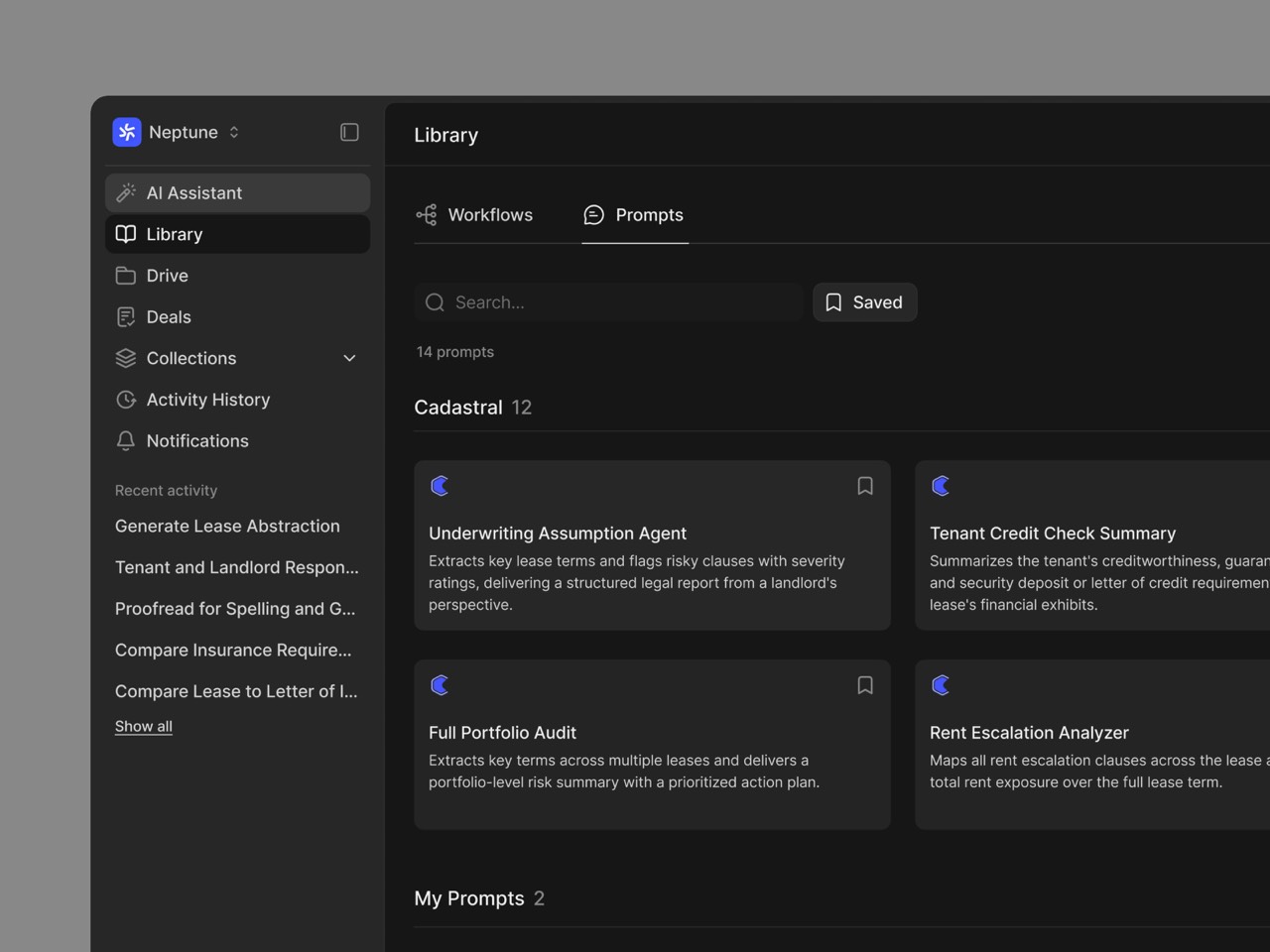
Creative Freedom We brought what the team hadn't had before: a fresh, outside perspective. Rather than patching the existing look, we introduced a new visual direction - giving the product room to feel modern rather than incrementally updated.
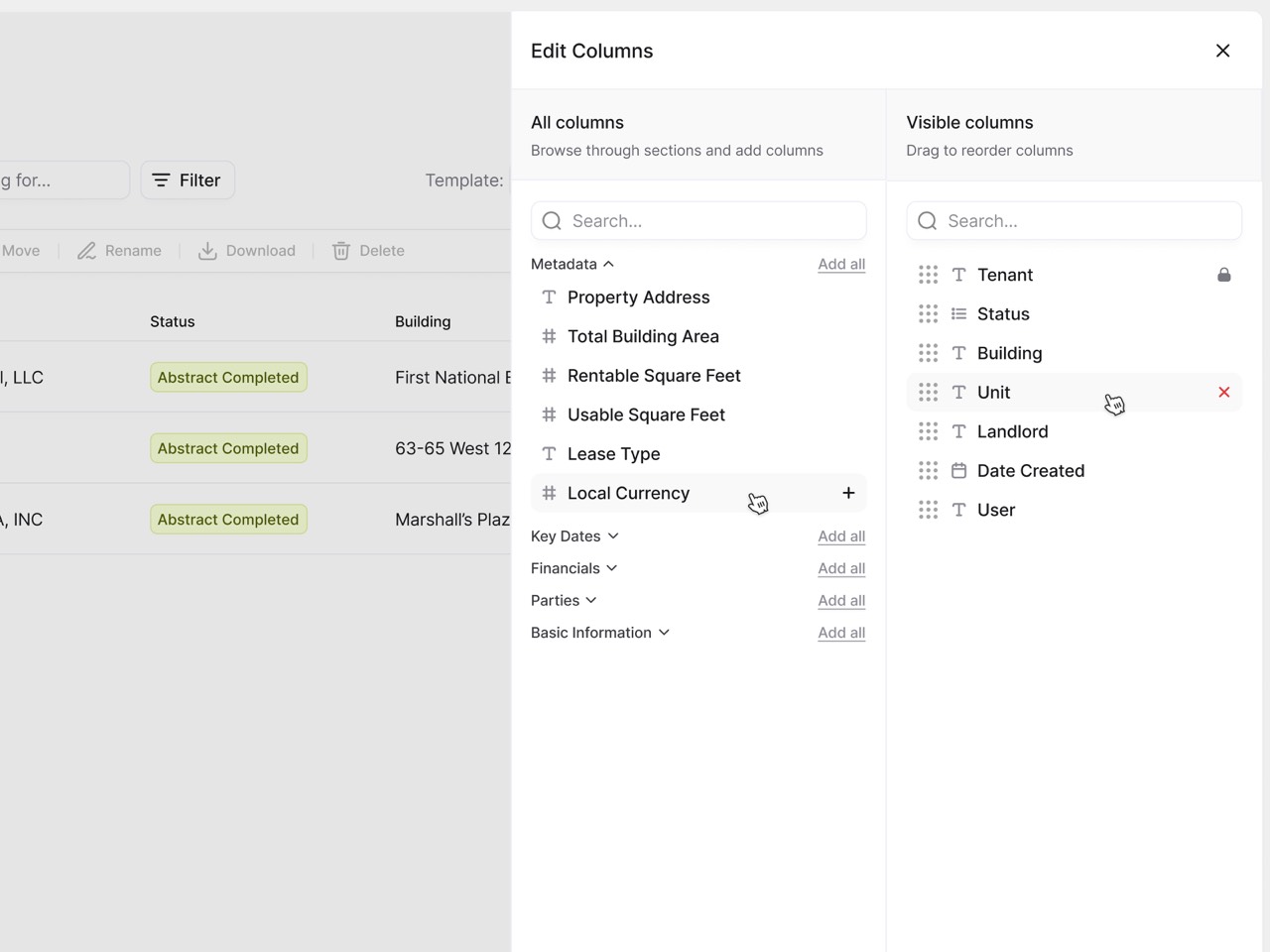
Listening Over Talking Instead of leading with opinions, we worked closely with user data and the dev team to understand what users actually needed and what was realistically buildable - narrowing a wide set of possibilities down to the right ones.
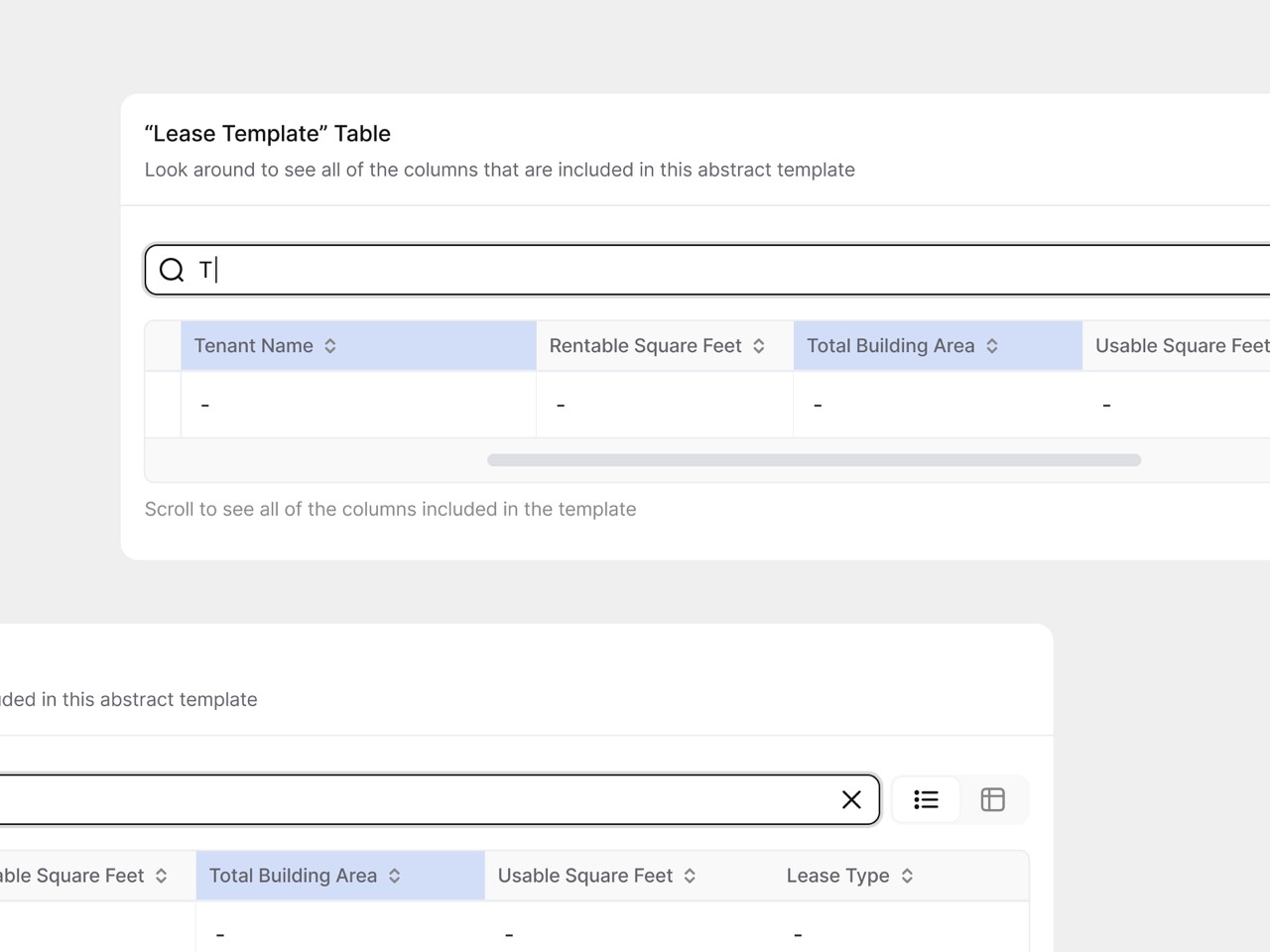
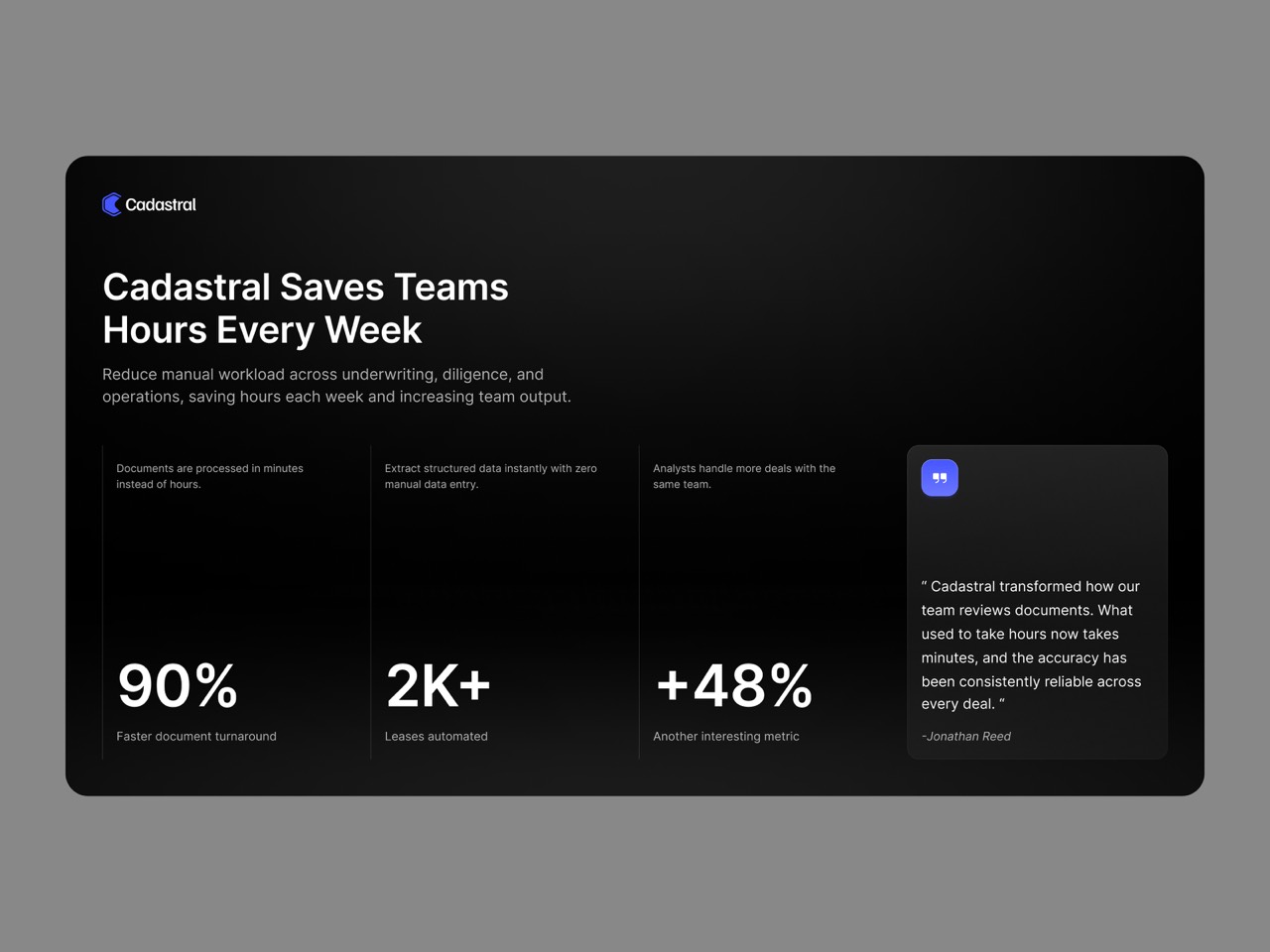
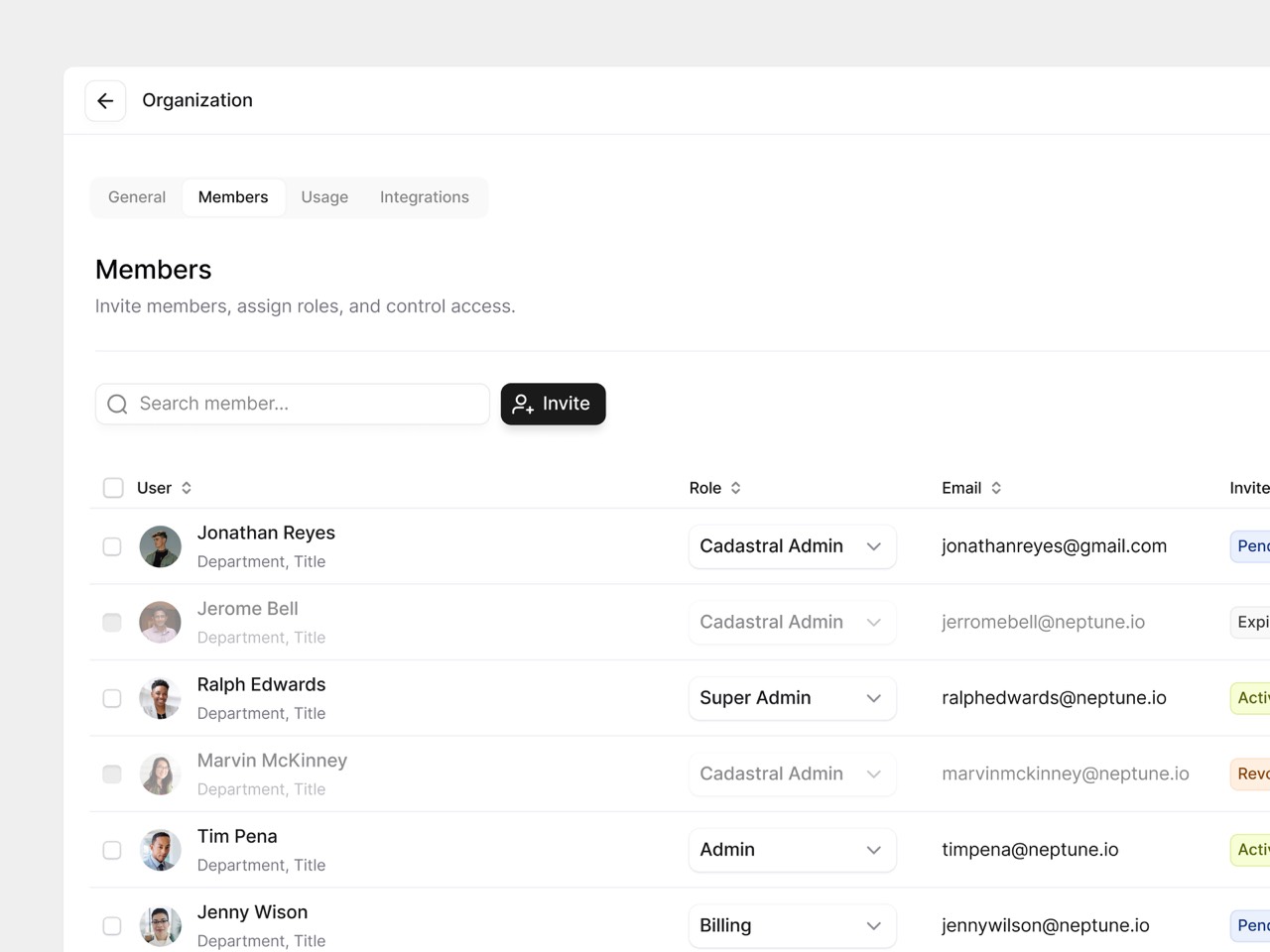
Fixing the Inner Process We gradually rolled out a working design system, giving developers reusable components instead of one-off builds. Deploy frequency doubled, going from occasional releases to twice a week.
Ready for Acquisition In the lead-up to the exit, we helped the team bundle and organize all required brand assets - ensuring the product wasn't just design-ready, but acquisition-ready.
This was never a solo effort - it came from months of active listening, iterating, and figuring things out together as a team. What started as a rough idea became something that was valuable to more than just the users.
Link to Blog